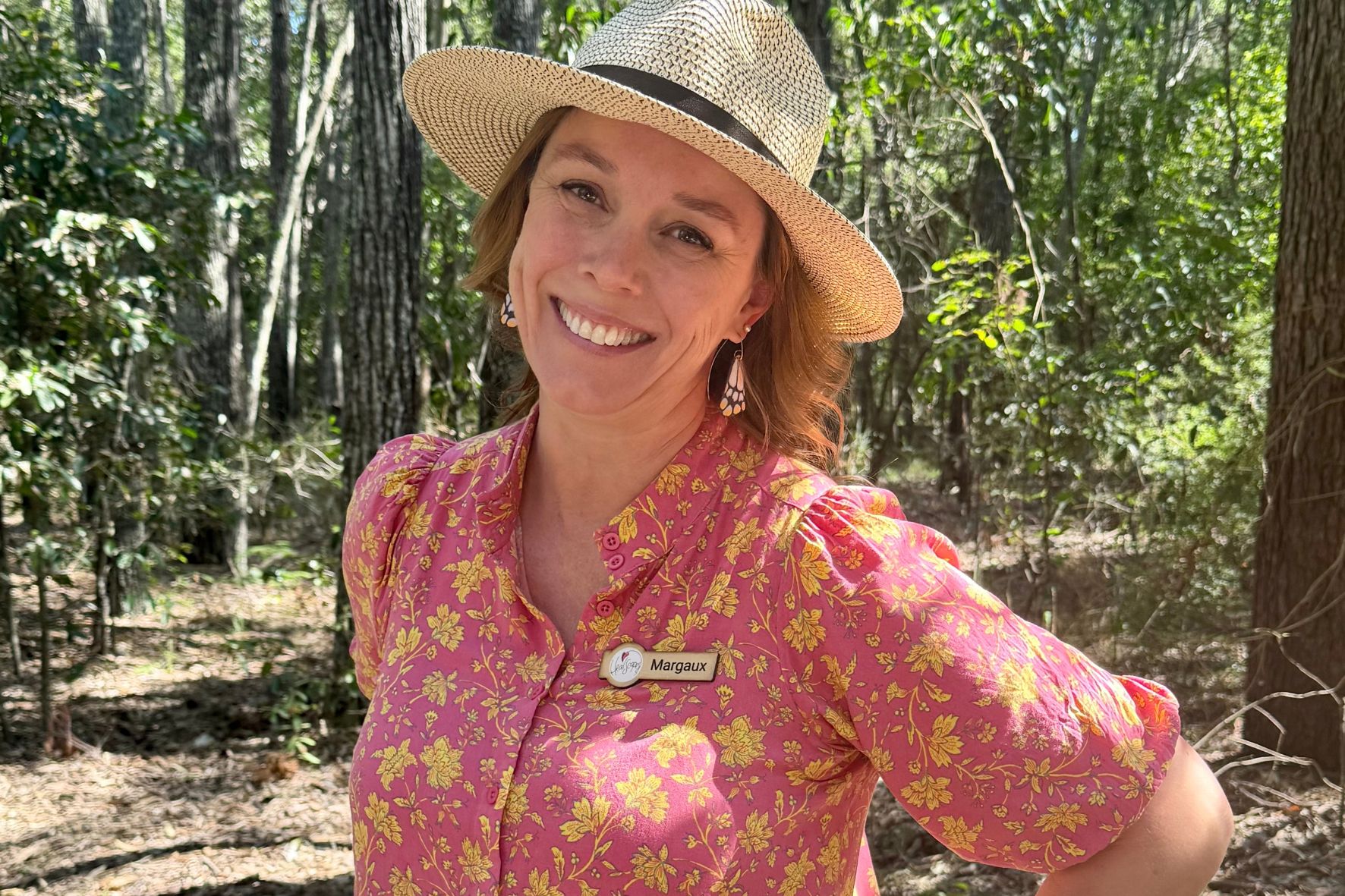
By Stephanie Ford – Founder of Action Forward
We’re good at kindness when it’s directed outward. We notice when a friend is running on empty. We soften our voice with a child who’s overwhelmed. We say, “You’re doing your best.” Then we turn around and intrinsically speak to ourselves in a way we’d not speak to those we love.
As an occupational therapist, I’ve spent years helping people understand their wiring: how their nervous system, emotions and thinking work. I can usually see what’s driving someone’s overwhelm long before they can.
Seeing it in myself? That’s been the hardest reflection skill of all. Twice, I’ve hit rock bottom. First burnout, then perimenopause. Both times I did all the “right” things: lists, boundaries, walks, support.
And still I couldn’t see what was necessary for me until I stopped at the bottom (not the ideal self-reflection location).
Here’s what I learned: self-kindness isn’t always a bubble bath or a more detailed to-do list. It can be curiosity. It can be pausing to ask, “What do I actually need right now, at this stage of life?” That pause is where real shifts can start.
Not what the TikTok reel said, not the Instagram post guide list. Not even what worked five years ago. Because what worked before might work again, or it might not.
Life changes. We change. Kindness means letting your strategies change with you, rather than pushing harder against yourself.
Three gentle questions to try:
- What are my body and brain asking for today?
- Am I following advice, or listening to myself?
- What would I say to someone I love who felt this way?
You’re not failing. You may simply be using a strategy built for a different season, or for someone else’s wiring.
The people around you deserve your kindness. You also deserve your own kindness and compassion.
Written by Stephanie Ford
Occupational Therapist – Founder of Action Forward, specialising in neurodivergent women, children, and families.
Click here to visit Action Forward