By Jon van Wyk
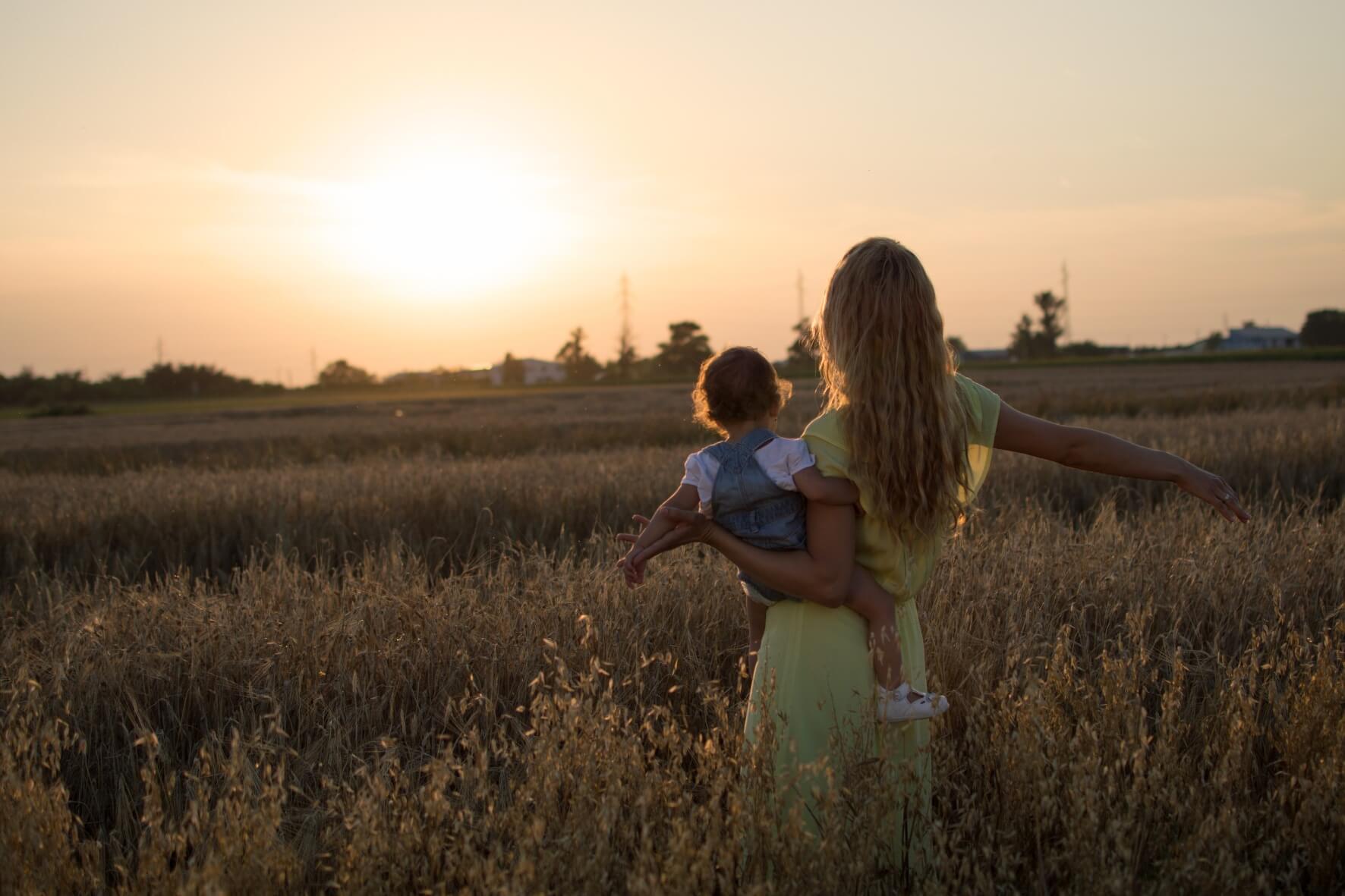
Across continents, cultures, and generations, the image of a mother caring for her child carries a meaning that is instantly understood. Languages may differ, and traditions vary, but the fundamental essence of motherhood—love, responsibility, sacrifice, and hope—is remarkably similar everywhere.
For many women, the journey into motherhood begins with anticipation mixed with a little uncertainty. Pregnancy often brings a sense of wonder, but also a new awareness of responsibility. The idea that another life will soon depend on them can feel both exhilarating and daunting. Mothers frequently speak about this time as a period of reflection, imagining the kind of future they hope to help create for their child.
When a baby finally arrives, a sudden adjustment to the reality of motherhood is often required. The first days with a newborn are sweet but also very demanding. Babies need constant attention—feeding, comforting, changing, and soothing. Sleep often becomes rare. Many mothers find themselves navigating exhaustion while learning entirely new rhythms of daily life.
Despite the hardships, there are also moments of profound joy. A baby’s first smile, the gentle weight of a child sleeping peacefully after feeding, or the quiet satisfaction of calming a crying infant can bring a sense of connection beyond words. These simple experiences become treasured memories, reminders that the challenges of motherhood are balanced by beautiful rewards.
As children grow, motherhood begins to look different. The role of a mother evolves from physical caregiving into something broader: teacher, guide, and encourager. The lessons begin with the basics—walking, speaking, sharing—but gradually expand to embrace values such as kindness, responsibility, and understanding others. At the same time, she may also share the pain of her child’s disappointments: a lost game, a friendship conflict, or a difficult exam, while developing resilience in that child at the same time.
The importance of motherhood reaches beyond the home and into society as a whole. Early childhood experiences strongly influence how individuals develop emotionally and socially. Children who grow up in supportive environments often develop empathy, confidence, and resilience—qualities that help them contribute positively to their communities later in life.
Despite its importance, motherhood can also bring considerable stress to mothers today. Modern mothers frequently balance multiple roles, pursuing careers while also managing household responsibilities and childcare. Even those whose focus is primarily on family life face the demanding, often unrecognised effort that caregiving requires.
Social media, however, tends to portray motherhood through idealised images—the perfectly organised home, the endlessly patient parent, the calm and cheerful family routine. In reality, motherhood is far more complex. There are days when plans fall apart, patience wears thin, and exhaustion takes over, but within these imperfect moments lies the true humanity of motherhood. Children do not require flawless parents. What they need most is presence, care, and guidance. A mother who listens, learns, and continues to support her child during the vagaries of life offers something far more valuable than perfection: genuine connection.
As children grow into teenagers and adults, the relationship between mother and child continues to evolve. Many adults still turn to their mothers for advice during life’s turning points—choosing careers, navigating relationships, or raising children of their own. In this way, motherhood often stretches across generations, creating a quiet chain of knowledge and support.
For mothers, watching their children become independent adults can be both joyful and emotional. The constant closeness of early childhood gradually fades as young people step out into the world. Yet this transition also represents the success of motherhood itself, to help children grow strong enough to lead their own lives. This is why supporting mothers is so important. Access to healthcare, family-friendly workplace policies, community support networks, and childcare resources all help create conditions in which families can flourish. When societies value mothers, they are effectively investing in the well-being of future generations.
And in those everyday acts—whether comforting a frightened child, celebrating a small success, or offering reassurance during uncertain times—the remarkable power of motherhood can be found: the ability to shape lives, strengthen communities, and profoundly influence the world that tomorrow’s children will inherit.