By Dr. May Chi, Clinical Psychologist
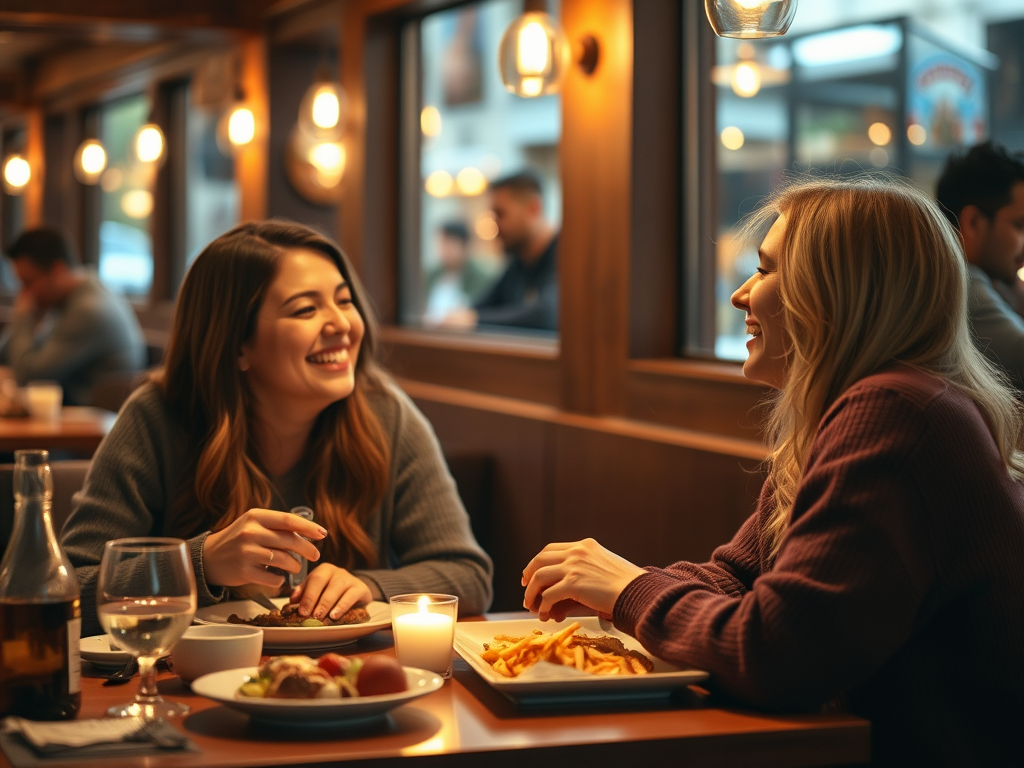
I’m having dinner with Skye. We have so much in common. Family. Hobbies. Ambition. Humour. Black Canary and Batgirl are hanging out, off duty. We’re in a bubble of warmth, joy and chuckles. We get talking about work. Skye tells me about her future plans. She is so determined and excited about them.
A needle of jealousy stabs through my bubble. The sudden sting of my envious resentment towards her sends me reeling. Skye is my friend. I should be happy for her. Right? Is this how I actually feel about her? Deep down, am I just a terrible person? I take a big bite of my food and use the chewing to cover up my mini crisis of conscience.
Observational distancing is a psychological stance from which we notice our thoughts, feelings, and behaviours, as opposed to being lost in them. It is different from dissociation, which happens outside of our control. We can learn observational distancing through practices such as mindfulness, verbalising our awareness of thoughts and feelings, and perspective taking.
I go through each of the steps. I take a deep breath and focus on my surroundings. The music. The keno numbers. The feel of the vinyl seat. I review my thoughts and feelings. I notice the thought that I won’t be able to keep up with Skye. I notice the feeling of FOMO. I’m not game enough to say these things aloud. Conveniently, my mouth is full of delicious food.
It’s common for people to have reactions that they find contradictory and shameful compared to how they want to be. This is because our understanding of the world comes from a mishmash of all our previous experiences.
For example, when children fight over toys, they learn that resources are scarce. When they share a toy, they learn that the real joy is in playing together. However, fear-based responses always show up faster than any other responses because the brain’s primary job is to protect us from danger. Being scared of losing a toy will show up before being glad that we shared it.
This is why developing observational distancing is so important. It gives us wriggle-room past the fear to consider what we actually value. Perspective taking is to consider another viewpoint. There’s a certain kind of perspective taking called values-based perspective taking. It asks us to consider the situation from the viewpoint of what is truly important to us.
Seeing people engaged in what they care about matters to me. Seeing people doing well matters to me. Making space, encouraging growth, empowering others, helping our community, a collegiate workforce… any one of these matters more to me than a moment of insecurity.
Somewhere in my past, I must have learnt that someone’s success meant that I missed out. But now, I can recognise that I am so bloody happy for Skye.
The joy radiates through me. There it is again, that bubble from before. I can still feel a niggle, but the bubble doesn’t burst. I finish chewing. Skye is beaming at me, and I beam back.