Written by Jon van Wyk
In today’s speed driven and technology obsessed society, it can be easy to detach oneself from the need to create anything any more. Instead we fawn over the latest version of ‘cookie cutter’ products produced in large, soulless factories thousands of miles away. What used to take, weeks, months, years, even decades to make can, in many cases literally take form overnight.
At the same time, a unique breed of individuals have arisen, still dedicated to the art of creation. These innovators continue to transform raw materials into something extraordinary, infusing their crafts with passion and ingenuity, while flying in the face of corporate mass production practices. From sculptors to engineers, they remind us that throughout history, human creativity has had no limits—and that the beauty of making things is as essential to our humanity and culture as the objects themselves.
Spearheading this creative renaissance is the ‘artisan movement’, which emphasises craftsmanship, quality, and individuality. Following the philosophy of luminaries such as William Morris and institutions such as The Bauhaus, practitioners are using traditional techniques alongside modern technologies to create one-off and bespoke goods that are gaining popularity in communities around the world. These creators often find inspiration in the raw and recycled materials they work with, allowing the natural properties of wood, metal, clay, or fabric to guide their artistry.
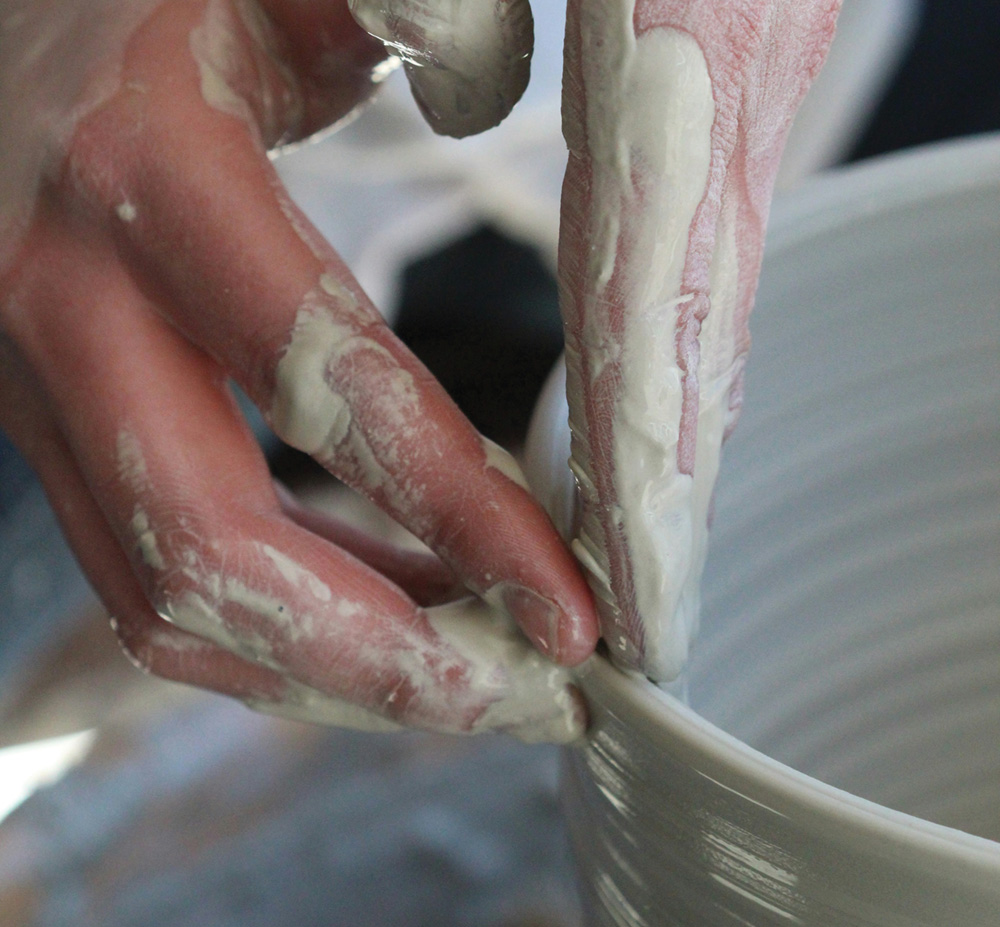
One such artisan Heather, a potter whom I met recently, spends her days shaping clay into functional and sculptural pieces. She explains her process: “For me, pottery is a dialogue between myself and the clay. Each piece is a reflection of my emotions at that moment, and the materials tell their own story.” Heather’s intricate glazes and unique forms have earned her a dedicated following, as each unique creation resonates with the observer on a personal level, both as objet d’art, and social comment.
While traditional crafts are thriving, the digital age has also ushered in a new wave of creators who use technology to make impactful inventions. From 3D printing to robotics, these innovators are redefining what it means to create. One such engineer turned creative, ‘Mia,’ has designed an innovative device that captures rainwater and purifies it for drinking. “My goal was to tackle water scarcity issues,” she explains. “I wanted to create a useful object that not only solved a problem but was also sustainable and beautiful.” Mia’s work exemplifies how modern creators are addressing global issues, simultaneously acting as artists and agents of social change.
Regardless of their medium or tools, what unites these makers is a profound sense of community and a shared passion for creativity and design. Many are disciples of architect ‘Louis Sullivan’s maxim ‘Form follows function.’ They inspire each other through collaboration, constructive feedback, and storytelling. Social media platforms have also played a pivotal role in connecting creatives worldwide, enabling them to showcase their work and reach a much broader audience.
The rise of pop-up markets and craft shows exemplifies the continuing demand for handmade goods and the stories behind them. Consumers are increasingly looking for meaningful, products that reflect their values and connect them with the maker. This trend signifies a shift away from mass production toward embracing the uniqueness of handcrafted items and the integrity associated with them.
In a world often dominated by the isolating and impersonal nature of technology, the people who create—artisans, designers, engineers, makers—serve as a reminder of the power of human ingenuity. They show us that creativity is an intrinsic part of our DNA, with the potential to inspire, connect, and transform our everyday lives. Whether through traditional crafts, cutting-edge technology, or collaborative spaces, these makers provide meaning, connection and a ‘touchstone’ in an increasingly sterile, creative landscape.
Album of the month
Full Moon Fever by Tom Petty

The 1989 Tom Petty album, “Full Moon Fever,” was released right on the cusp of the beginning of the grunge movement of the nineties. Far from being a ‘Cobain styled’ soundscape however, this album is a potent blend of folk, country, blues, and American rock, which showcases a series of imminently listenable (and sometimes quirky), hits from a mature and reflective Petty, fresh from his stint in The Travelling Wilbury’s, many of whom played with Petty on the album.
The result is a sound that’s attractive and easy to listen to, yet rich in lyrical depth. Standout tracks, include the iconic “Free Fallin’” and “I Won’t Back Down,” highlighting Petty’s knack for storytelling and drawing listeners into personal, sometimes poignant life experiences.
As to be expected from Petty, production values are outstanding, allowing instruments to impress listeners individually, while maintaining a rich, full, sound. Petty’s signature, laid-back vocal style perfectly complements the album’s themes of longing, self-discovery and ultimate maturity, without taking things too seriously.
Overall, “Full Moon Fever” is a testament to Petty’s enduring talent, offering a timeless listening experience that connects with almost any listener. It’s an essential part of the library of American-based rock music, demonstrating Petty’s remarkable ability to capture the human experience through songs that you will remember for years to come.
Headphone rating 9.1/10