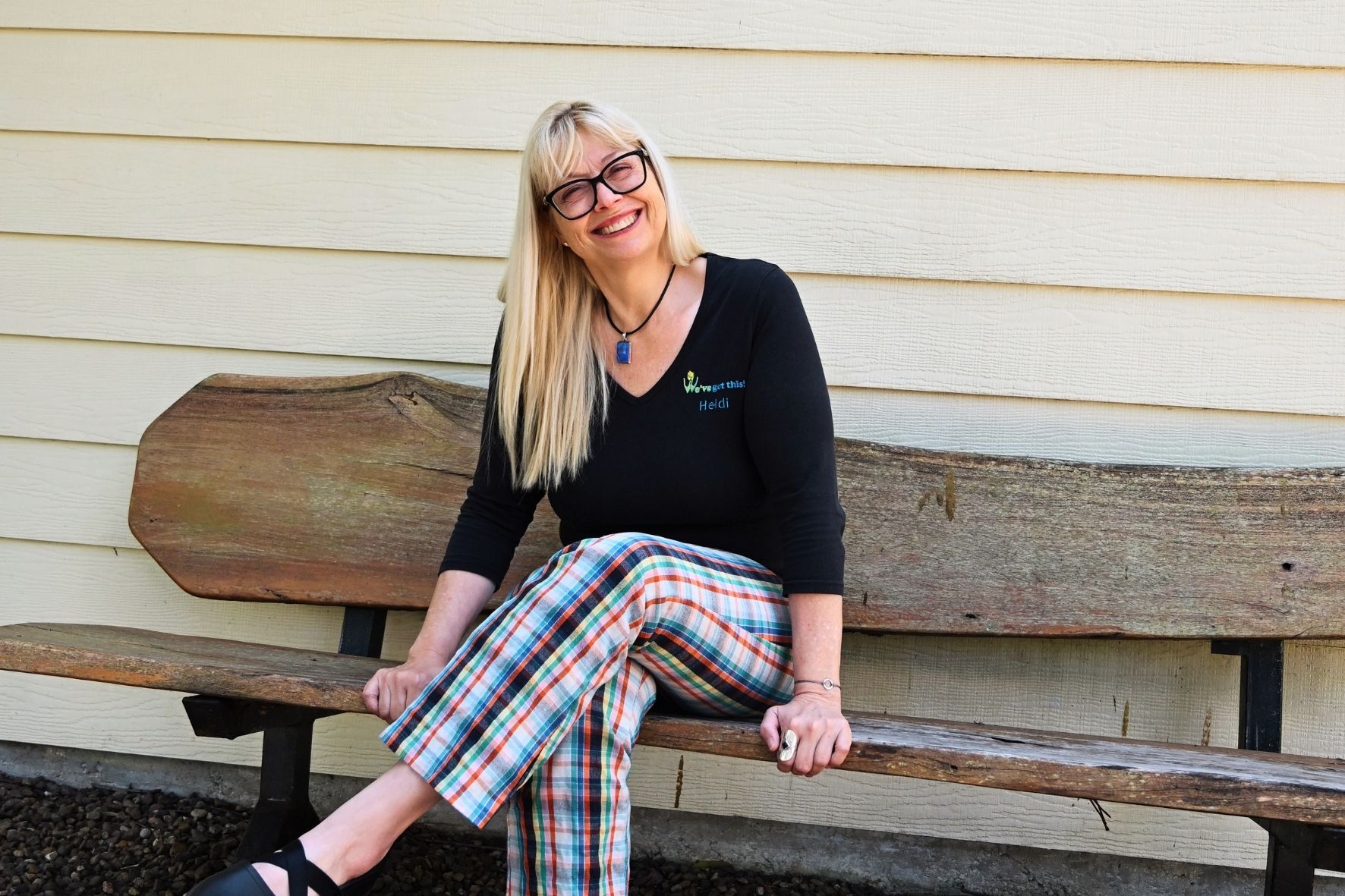
Written and photographed by Russ Benning
@russbenningphotography
https://russbenningphotography.com/
Happy Mother’s Day month! I hope everyone has recovered from their Easter chocolate comas and are adjusting to the need for an extra layer at nights.
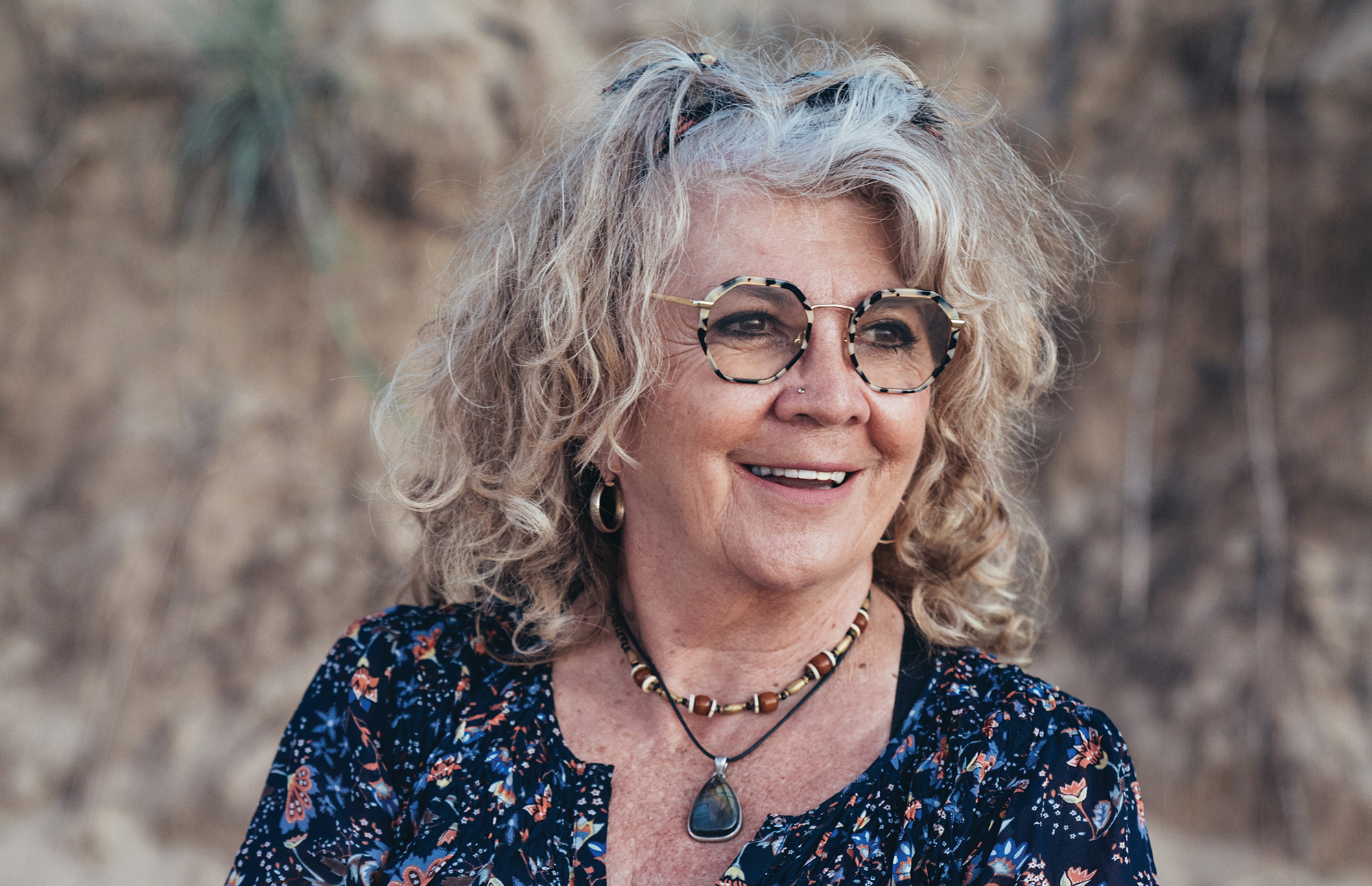
Customarily we like to interview a local Mum for this ‘Mother’s month’ issue, and this is no exception. The kicker this year is that not only is our guest a Mother of 6 of her own children, she is also the ‘every Mum’ in our community.
Anyone who has met Tina Davie will know exactly what I mean by this, as she naturally adopts the role of the mother figure to anyone fortunate enough to find themselves in her nurturing orbit.
She is the executive director of Bayside transformations, Wide Bay’s branch (one of five) of the “Transformation Program” umbrella, of which she is also the General Manager.
“It is a ‘therapeutic community residential recovery program’ for people suffering from addiction or mental health issues”, Tina explains.
The composition of the centre is quite genius in its approach, making each individual feel welcome, included and important. Each person that becomes a part of Bayside Transfomations fulfils a role and becomes interwoven into the fabric of the community. Filling a double purpose, the centre is completely self sufficient and gives purpose to those who become a part of it.
Tina explains that a big part of nurturing is giving these people what they NEED and not necessarily what they want (or at least think they want). The structure and discipline entrenched in the program is tried and tested to yield the life changing results these people are desperately craving.
Firm but fair comes to mind but in this case it’s more; ‘firm but fair with a generous splash of love.’ As I entered Bayside Transformations, located in Torquay, Hervey Bay, and made my way up to Tina’s office, the word LOVE is generously splashed around in various mediums – pictures, giant wooden letters, ornaments and numerous other insignia all reinforce the message, “this is a loving, nurturing place.”
She introduces me to the concept of ‘re-parenting’ which is part of the holistic approach to nurturing the centres provide. “They get re-parented. We’re re-parenting them, but with love, that’s the difference.” The whole Transformations program’s foundations are structured around this concept.
She explains the program is designed to give them; “a hand up, not a hand out.” It’s no free ride and there is a lot of work involved. The structure is very organic in nature.
“It’s like a living organism. It’s a big family and everyone here has their place.” She goes on to tell me how a majority of the rules are actually created by the residents themselves enforced by herself and her staff for the benefit of all. It has been said that the opposite of addiction is not sobriety, but connection, and this environment allows that to be the cure.
I note the repeated use of ‘chaos’ and ‘chaotic situations’ she uses to describe the environments the residents come from, which I understand to be the polite way of saying ‘completely dysfunctional or toxic.’ The programs structure creates order and purpose in their lives and leads to happier, more responsible individuals leading much better lives than was possible for them before.
I was fascinated to find out how Tina came to become such an all-nurturing mother figure. What I found out was both surprising and typical. She shares openly about her story, particularly her adolescence.

“I was living on the streets by thirteen.” She goes into the ‘chaotic’ home environment and the domestic abuse that lead her to make that choice—spoiler, it’s not a fun story. She tells me how she was ‘uncontrollable’ and how she began self medicating with drugs and alcohol so early on.
She was ward of the state and institutionalised for two years at this time, further solidifying her burning desire not to let her own children go through anything similar.
I was quite saddened to hear that her own biological mother was not able to affirm her or even provide her with physical touch. It’s at this point we discuss the cyclical nature of family patterns and Tina makes it clear that she holds no malice, only understanding of the circumstances leading to this. As is often the case, it was the extreme opposite that made her so determined to be a mother and a nurturing figure in her life. Having experienced the absence of such a core need, she wanted to help anyone and everyone she could that were in a similar situation.
After the institutionalisation due to addiction and crime she began to play by the rules. She tells me that although she was playing ball by societies standards, she was still very much broken inside. The mothering instinct continued to burn brighter each day and at the ripe age of seventeen, she had her first child. The next chapter in her life was spent raising six, beautiful children, three biological and three from marriage.
Around the age of 30 she noted a significant shift in her life. She found faith and began to make lasting, healthy changes for herself and her family.
Her nurturing spirit reached new heights and she discovered a new-found love and purpose to help those who are homeless, struggling with addiction, outcasts of society and in need of love.
She began volunteering for DrugArm, patrolling the streets connecting and serving the homeless in Brisbane. If DrugArm sounds familiar to you, it’s possibly because I interviewed Marty Erlandson of the Maryborough branch last year in the family issue.
The next step for Tina, not twelve months later, was to branch out and provide her own street van service. She would provide food, warm beverages and blankets as well as genuinely connecting with the people living on the streets of Brisbane’s Fortitude Valley. “They knew me”, she shares, reinforcing Marty’s message of the importance of building trust and therefore hope for these unfortunate people.
I can sense both pride and surprise as she tells me about her two degrees, “I don’t even know how I achieved that, based on my level of schooling.” Her undergraduate in Psychology and Postgraduate in counselling, both aligned with her role and life’s purpose. As well as running the centre, she also conducts trauma counselling for residents with particularly ‘chaotic’ pasts.
I see traits of Mother Teresa, a strong influence of Tina’s, but I also see the tough childhood and no-nonsense attitude when I meet her gaze. I can tell she has been through it all and how she can fully relate to the types of souls that find themselves in the program.
I also get to enjoy the fun, childlike nature that emerges as she starts to understand me and my intentions in our interaction. We end up laughing and bonding and I start to see the complex depth of character of this powerful Mother figure.

I walk away from our interview and photo session with a smile on my face. I feel a sense of comfort knowing that individuals that come from less than ideal environments and have fallen into a dark, seemingly hopeless place, are not alone. They are not helpless. There is a place for them and there is a person that will love them unconditionally. There is a place they can call home and people they can call family.
If you or someone you know would benefit from the program, or if you would like to donate or volunteer your time to Bayside Transformations please contact: Phone: (07) 4194 6621 or Email: admin@baysidetransformations.com.au